
"coffee market collapse"
300 article(s) found

The characteristic flavor of civet coffee
Kopi Luwak is made in Indonesia. In the early 18th century, the Dutch established coffee plantations in the Indonesian colonies of Sumatra and Java, and banned locals from picking and eating their own coffee fruits. Indonesian locals inadvertently found that civets love to eat these coffee fruits and will drain the beans intact when defecating. The civet can only pick the most familiar.

Is T97 Coffee joining a scam? Management status of T97 Coffee Brand franchisee
Professional coffee knowledge exchange more coffee bean information please follow the coffee workshop (Wechat official account cafe_style) more boutique coffee beans please add private Wechat Qianjie coffee, WeChat: qjcoffeex I believe you have noticed that once popular all over the network, 600 million + + coffee Chong Chong has been

Coffee rigid demand strong coffee farmers why are they still suffering?
Professional coffee knowledge exchange more coffee bean information Please pay attention to the coffee workshop (Wechat official account cafe_style) ▲ coffee prices are low, making many small African farmers unsustainable, switch to other crops, the market is worried about the crisis of farming. (photo / Dazhi) "A lot of coffee farms are uncultivated, and many people go far away," planting organic on the slopes of San Jose southwest of Honduras.

The characteristic flavor of civet coffee
Kopi Luwak is made in Indonesia. In the early 18th century, the Dutch established coffee plantations in the Indonesian colonies of Sumatra and Java, and banned locals from picking and eating their own coffee fruits. Indonesian locals inadvertently found that civets love to eat these coffee fruits and will drain the beans intact when defecating. The civet can only pick the most familiar.
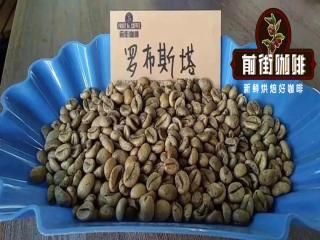
Vietnamese Coffee | Coffee planting in Vietnam Coffee production areas
The earliest coffee grown in Vietnam was brought to Vietnam by the French in 1867. The manor planting model used only began to form a commercial scale in 1910. Later, coffee cultivation was interrupted because of the Vietnam War. After the war, coffee began to be collectivized, resulting in a decline in output value and production, to 20,000 hectares.

Coffee from Mexico
Mexico is the fourth largest coffee producer in the world. Most of its coffee is produced by nearly 100,000 small farmers, and the large estates that once dominated the coffee industry are few and far between. Mexico's coffee growing region: Mexico's best coffee growing region is Chiapas in the south of the country, where coffee varieties include Tapanchula and Hui

New York Futures: Arabica coffee falls to its lowest level in more than 13 years as Brazil is about to harvest
Professional coffee knowledge exchange more coffee bean information please follow coffee workshop (Wechat official account cafe_style) Reuters New York / London April 1-ICE Arabica coffee futures fell to a low in December 2005 on Monday as the approaching harvest in Brazil, the main producer, put pressure on an already oversupplied market, while New York cocoa futures rose to more than two months.

The coffee producing area of Mexico.
Mexico (Mexico) is the fourth largest coffee producer in the world. Most of its coffee is produced by nearly 100000 small farmers, and large estates that once manipulated the coffee industry are rare. Coffee production in Mexico: the best coffee producer in Mexico is Chiapas in the south of the country, where coffee varieties include Tapanchula and Hui
Coffee producing area in Mexico
Coffee from the world's fourth largest coffee producer, slippery and fragrant, Mexico, the fourth largest coffee producer in the world, produces about 5 million bags of coffee a year.

Boutique Coffee basic knowledge Mexican coffee
Mexico (Mexico) is the fourth largest coffee producer in the world. Most of its coffee is produced by nearly 100000 small farmers, and large estates that once manipulated the coffee industry are rare. Coffee production in Mexico: the best coffee producer in Mexico is Chiapas in the south of the country, where coffee varieties include Tapanchula and Hui

Characteristics of civet coffee flavor Kopi Luwak of civet coffee
Kopi Luwak is made in Indonesia. In the early 18th century, the Dutch established coffee plantations in the Indonesian colonies of Sumatra and Java, and banned locals from picking and eating their own coffee fruits. Indonesian locals inadvertently found that civets love to eat these coffee fruits and will drain the beans intact when defecating. The civet can only pick the most familiar.

A cup of coffee to accompany you to drink out of the "tragedy" behind how to accompany you?
The once-hot coffee company collapsed, and the coffee chain, which has more than 600 stores in China, did not fade out of public view as its head office was empty. On the contrary, the 150 million yuan of intention money paid by more than 300 franchisees to accompany you to coffee is now irrecoverable. Coffee with you was jokingly called coffee to pay for you. It is represented by Kim Soo-Hyun and is called the first of the Korean series.

Colombian Coffee Story Colombian Coffee grading system Colombian Coffee beans are
Professional coffee knowledge exchange more coffee bean information please follow the coffee workshop (Wechat official account cafe_style) Coffee beans are subdivided by the name of the country of production or origin or port of shipment, such as the size or quality of beans, the elevation of the cultivation place and other characteristics, but even if the coffee of the same name, its taste and aroma will still be due to the harvest year, climate, harvest and other factors.

The type of coffee the spread of coffee is Kopi Luwak good?
Civet Coffee (Kopi Luwak), native to Indonesia. It is one of the most expensive coffee in the world, with a price of several hundred dollars per pound. It is extracted from the feces of the civet and processed. The civet eats the ripe coffee fruit and is excreted through the digestive system. After it is fermented through the stomach, the coffee produced has a special taste and has become a grab in the international market.
International Coffee Organization-1
In the 19th century, coffee became an important commodity in the international trade market. For a long time after that, the coffee market was often in a state of oversupply, low prices, and occasional price increases in short supply, but for a short period of time. During the economic crisis of the 1930s and during World War II (1939-1945), the coffee market supply
Analysis of the current situation of China's coffee market in 2018-who will be the winner of the new wave of coffee?
Professional coffee knowledge exchange more coffee bean information please follow the coffee workshop (Wechat official account cafe_style) 2017 coffee purchase price-the price introduction of coffee in various countries "ID:pintu360" from the brief history of Chinese coffee, industry chain, capital, players close-up, trend and other dimensions, try to spy on the 2018 coffee market trend through the past and present.
How much is a delicious cat shit coffee?
Civet coffee editor Synonyms cat feces coffee generally refers to civet coffee (cat feces coffee), produced in Indonesia. One of the most expensive coffees in the world, costing hundreds of dollars a pound, it is extracted from civet faeces and processed. The civet eats the ripe coffee fruit and excretes it through its digestive system.
Mexico, the global coffee producer
Mexico, the fourth largest coffee producer in the world, produces about 5 million bags of coffee a year. Most of its coffee is produced by nearly 100000 small farmers, and large estates that once manipulated the coffee industry are rare. The yield of Mexican coffee is about 630 kg per hectare. Later, the Mexican Coffee Association (Instituto Mexicano del Caf, Inmecafe for short)